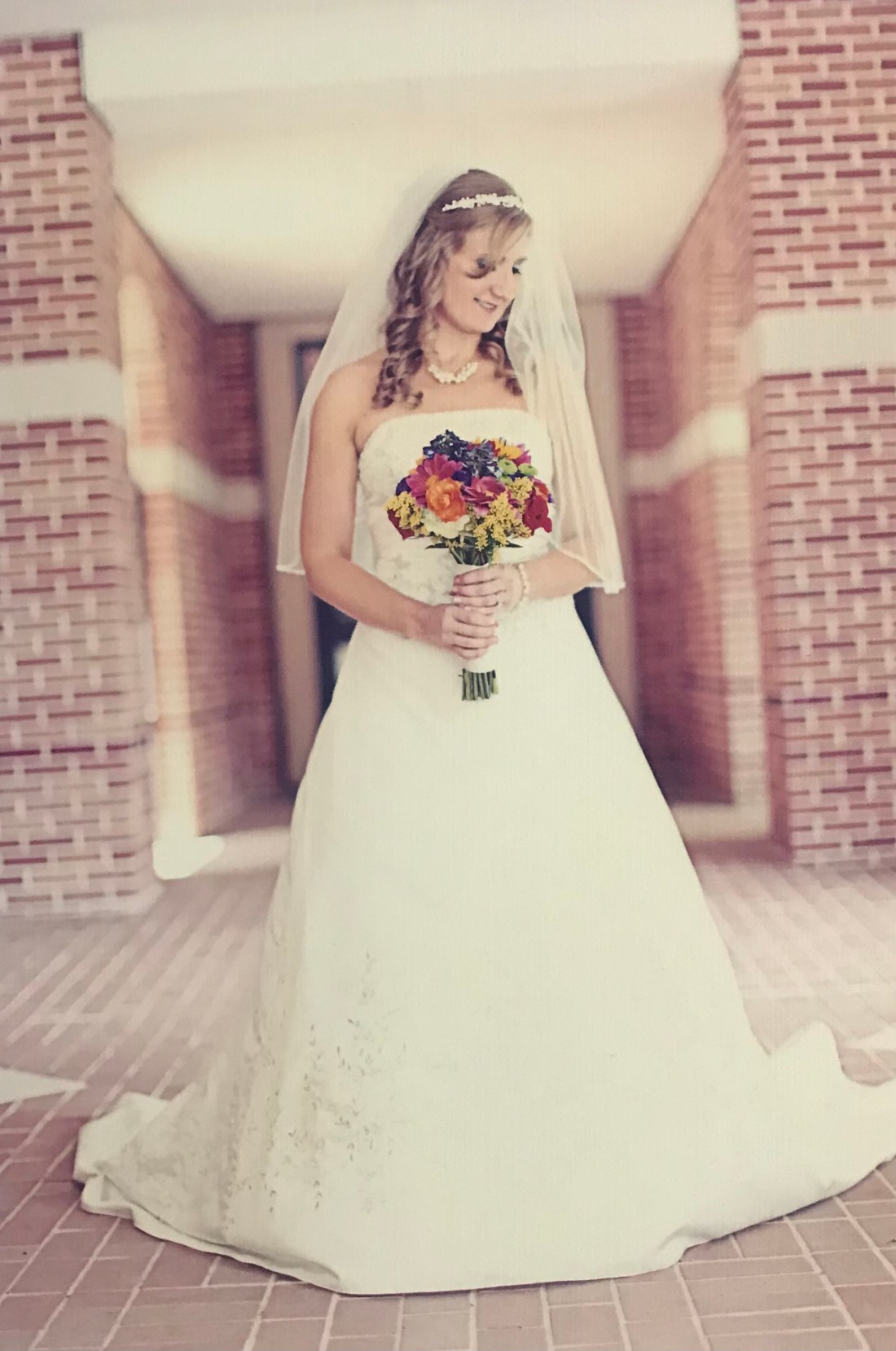
The One

Fun librarian fact: employing in a title the word “Webster” bestows no actual authority upon a dictionary. Any reference book publisher can make free use of the surname without fear of reprisal, and many have done so for no other reason than monetary gain, unbeknownst to the masses. If you want the original, bonafide article, history bears out that Merriam-Webster is the way to go. You’re welcome.

That being said, Merriam-Webster defines epistemology as “the study or a theory of the nature and grounds of knowledge especially with reference to its limits and validity.” If that sounds confusing, don’t stress over it. By and large, career philosophers, rather than bricklayers or bakers, devote themselves to this weighty topic. It’s not for the faint of mind, so to speak. Many a green student ushered into academic ivory towers past or present, as even I’ve witnessed first-hand, has found himself or herself questioning everything from the existence of God to proper footwear due to the lack of a quick and easy answer to one of the most fundamental questions of epistemology: “How do I know that I know?”

I’ve known myself long enough now to understand that abstract thought is hardly my forte, but I dabbled for a time in my collegiate years, as many have, with the troubles this question raises for long-standing beliefs or convictions. At some point, I don’t remember when, I found a way to move past it, live with the fact that I’d likely never plumb its depths, and allow the philosophers to do their worst. Nonetheless, my struggles with this question and its answer arose for me once again in a different form several years later for a more down-to-earth and personal concern, though no less impactful for a future I hoped for.

One early fall, finishing up a mid-day run at a nearby park, I stepped back inside to the house my parents, brother, and I were renting together. We all were under the same roof after the two of them returned to Texas the previous year to begin pursuing a change in career after exiting professional ministry. I had a few months left of grad school before I was off to the races with my own chosen career. In the meantime, my father and I each had jobs that employed us in downtown Fort Worth from early afternoon to midnight, allowing us to carpool together.

Sweaty and exhausted, I planted myself on the white brick hearth in front of the fireplace. My father sat in the recliner reading a book, still his favorite pastime. Slowing my body down, I slowed my thoughts as well. Resigned no longer to fight it, I expressed one simple truth I had been ignoring for most of the year.

“The only thing I’m sure about is that I’m not sure about her.”

My father-in-law, characteristically loquacious, when asked the secret to a long and happy marriage, manages to keep it simple: “Choose well.” I wouldn’t hear this advice, however, for at least another eight years. Instead, after a pregnant pause, I heard the laconic response of my own father, glancing up from his book, decidedly and calmly encouraging action. “Well,” he said, “you may want to do something about that.”

In far less than a year’s time, I had met, dated, had become engaged, and was about to be married to a woman I had persuaded myself, against my better judgment, was someone I loved enough to spend the rest of my life with. But once the dubious words escaped my mouth, it was clear they left along with a weight I had been unwittingly carrying. That alone spoke volumes. Relieved for the first time in months, I exhaled. On the heels of this brief respite, however, was my father’s bittersweet advice. I was about to ruin someone else’s day.

From the moment I was old enough to be legitimately interested in the opposite sex, I knew I one day wanted to be married. Granted, the vast majority of us ultimately seek out a partner, though with varying results. I knew this, though, the way some know at a young age that they want to be a doctor, a minister, etc. They feel it in their gut and single-mindedly pursue it until it becomes destiny fulfilled. The fanciful idea of “the one” — a divinely-selected, perfect person out there, somewhere, with whom you’re meant to be — was more than merely an appealing idea for me. But as the attempts failed, as friends around me found their partners, and, now, as I was about to abandon my best hope thus far, the idea began to sound ridiculous. Just pick someone, already.

As painful and difficult as it was, I never, in the years following, regretted calling it off. I couldn’t explain it epistemologically, but of what little I did know, it was clear she was not “the one,” if such a person existed at all. In the nick of time, I walked away confident of the decision, though I had wished for better.

I’ve asked God more than once for just a peek into the future, just a tiny glimpse to assuage my worry that things won’t work out, that this longing, this hope, for an imminent turnaround for the trouble of the day could rest on anything other than the quaint concept of “faith.” More often than not, though, this, along with the promise of Romans 8:28, is the pill we have to swallow to find any peace in where we are right now.

It would take several more years of seemingly fruitless eharmony matches, setups, and dates, blind or otherwise, before I ran into the person I’ve called my wife the past 9 years. It would also take us at least a couple of years after meeting for us to begin to realize that our casual and comfortable friendship was the catalyst to wake us up to the possibility that we might be better off together for the remainder of our our lives rather than apart. As women often do, she figured this out long before I did. And as I’ve mentioned before, she’s got her goals, and I unknowingly made the list. Thank God for the virtue of patience, because I didn’t make it easy for her.

Which brings me back to the question I expect my kids may ask one day when they’re facing a similar prospect: How or when did I know?

You may have your own answer to this one. I know exactly where I was when found mine.

Standing in my girlfriend’s driveway one evening and saying goodnight, the question came up.

“So, where do we go from here?” she asked.

I had spent little time formally pondering the question over the last year to fashion an eloquent answer. We had become very accustomed to day-to-day life together, which was fine with me. I wanted anything but the rush and desperation of my previous engagement to ruin this. So, she bided her time, thankfully. But it was now time to take a look back in order to see the way forward.

It must have only taken a moment, but it occurred to me — each of our thoughts drift effortlessly into what we’ll be doing later in the day, tomorrow, maybe a week or a month from now. Call it daydreaming, if you like, but we all do it. Whether deliberately or not, our minds habitually attempt to prepare us for whatever lies ahead, even the mundane or everyday tasks. And that’s when it hit me. Seamlessly through the course of our relationship, when I stopped to take a closer look, she had almost imperceptibly slipped into such thoughts. Whatever was happening tomorrow or a year from now, she was now present there with me, quite as naturally as any of my four limbs would be; so natural, in fact, it almost didn’t bear mentioning.

“Well,” I said, without the reservations of my previous engagement, “I guess we’re getting married.”

And so we did the following year.

The excitement and romance of the early days and years of marriage give way eventually to the routines of life. The end of the honeymoon, so to speak, can disillusion some couples. My wife and I don’t recall a moment when that occurred for us; we were friends long before we saw our way to something deeper, but I understand some do find themselves there. Regardless, I still believe in the idea of “the one,” though not as I used to.

Scripture is replete with examples of God bringing individuals to one another for a greater purpose. Jesus himself, on the subject of marriage/divorce, famously reminded his audience, “What God has joined together . . .” It’s in there and it’s hard to get around if you believe it could be anybody and that it’s all up to you, which you’re welcome to; it would seem there isn’t anything stopping you. But I think if we allow it, God can and does guide us to someone, if we let him and if he so desires it.

It’s hard for me to imagine, after all my effort, that there could have been anyone else other than my wife better suited for me. But I also believe that doesn’t mean that I couldn’t sabotage “what God has joined together.” I certainly could. Being “the one” for someone, and vice versa, still carries with it responsibility to care for what you’ve been given and to continue demonstrating that you are the right person.

Moreover, if I’m not perfect now, I certainly wasn’t perfect then. There’s a lesson there for my former self, on the cusp of the wedding. Being “the one” for each other doesn’t a perfect marriage make. There is still work to be done and a relationship to be maintained. But it does mean, if you believe it, that you were put together for a reason.

My wife and I didn’t venture into Hollywoodesque “happily ever after.” It makes for a great matinee, but it needs to be put to rest in real life. Happy? Yes. Ever after? Not all the time. But I still believe “the one” isn’t an empty idea but a lofty one, more providential than merely romantic, and I would gladly allow us to be picked for one another once again.