It struck me while I was shaving. It escapes me why I hadn’t taken solemn notice of the change before then. Staring incredulously at myself in the mirror, it suddenly occurred to me, a month or two beyond my birthday, that I was now a 30-year-old man.
In my 20s, I still felt, at best, a “young” man. Mistakes, missteps, and immaturity could still be dismissed to the inexperience and naïveté of youth. I had an excuse for stupidity.
But I had never before imagined what 30 might portend for me. I grew up having been told about an uncle I never had the opportunity to meet due to having tragically met his end in his 20s. Somehow, he had survived the terrors of Vietnam as a forward observer in the Marines only to meet his fate at the hands of a drunk driver not but a few miles from home. A head-on collision returning from work, and it was all over. I was given part of his name in his memory once I was born a few years later. As a superstitious teenager, I feared sharing his name might mean I would share his fate. I consequently didn’t spend a great deal of time thinking about what to expect past three decades.
“Huh. So, this is what 30 looks like,” I expressed to myself. I had never experienced a formal rite of passage as a teenager, as in a bar mitzvah or something similar. This felt like such a moment, however, minus the festivities and religious underpinnings. Unceremonious and anti-climactic, but unmistakable — I was now a “man.”
I have yet to live every decade most men and women, by God’s grace, are permitted to be considered a “full” life span. But I have to say, one’s 30s, in my humble opinion, should by no means be wasted, and for good reason. Though there are always exceptions, most of us still have bodies that are not yet showing pronounced signs of age, allowing us to enjoy common and even vigorous forms of physical activity. There is likely still more of life ahead of us than behind. Many of us have finished school by the beginning of our third decade and are surging forward expectantly in our careers, but we may still have the flexibility of changing course if desired. There may be loans to pay off, but you are, for the most part, financially independent. For many, kids may have entered the picture, and they decidedly alter life plans. But all things considered, there is no place like one’s 30s.
I should mention that I’m observing all of this from the proverbial peak of the hill, granted I make it to 90 (which I’m not sure I want to; old age looks like anything but a party to me). I didn’t make time to reflect on “40” once it hit, and I never truly have. I expect, though, that 50 will be a similar moment to 30. How ponderous, after all, is it to say that you’ve lived half a century?
In any event, in my 40th year, the kids boarded the ship, and off we went. I haven’t had an abundance of time since to stop for hours and take in the view.
What you begin to notice in your 40s is that your body, notably, isn’t as forgiving of the poor choices you make. Taking care of it can start to feel like an uphill battle. Having more dessert, or more of anything ingestible, for that matter, is almost never a good idea. The doctor tells you that this is too high or that’s too low, so take some of this, which, you realize, is currently in your parents’ medicine cabinet. That can’t be right, because they’re old, after all. Your brain may start playing tricks on you as well, especially if you don’t exercise it. Names evade me more frequently than they used to, even those of whom I am well-acquainted. Maybe that expanding bald spot at the crown of my head has something to do with that. Wait — are those white hairs in my beard?
Kids accelerate the progress of years, I’ve found, as many of you have as well. “The days are long, but the years are short,” I once heard someone sagely remark about raising children. I’m not sure why this is, but I can’t help observe that the passage of time while growing up before one moves out seems much longer than it does when one is parenting over the same span. “You blink your eyes one day and they’re gone,” more than one empty-nester has remarked to me. On the hardest days with them, I admit I sometimes think that day can’t come soon enough, though I admit the last five years have flown by; they’ve changed so much.
With age, even the slow days, collectively, are faster than they once were. Our middle daughter and I recently finished a 10-day COVID quarantine at home, alone, after she became infected at summer camp. Naturally, we did very, very little of consequence during that time — which is just another way of summing it up as “boring,” as she would unapologetically describe it. Nonetheless, I found that the evening each day came on sooner than I would have expected.
Fast or slow, the years are here and then gone. There are gains as more of it passes, but there are inevitable losses as well. I can take the fact that I’ll lose a few things along the way and have even begun to, namely physically and mentally. I feel somewhat prepared for that. It’s the loss of time, however, and especially the less of it that’s available that gives me pause.
Many decades ago, songwriter Jim Croce crafted his song “Time in a Bottle.” A brief tune, the memorable melody alternates between haunting and hopeful. “There never seems to be enough time to do the things you want to do once you find them,” he shares in the chorus. His inspiration for the song, I understand, was the birth of his child and the realization that, in spite of the fact that it would seem they had many years ahead to spend together along with his wife, their time would ultimately have an end. Little did he know how true this would be. Like the uncle I never met, Croce tragically and prematurely met his end. Only 30 years old, he and those with whom he was traveling died instantly when, on their way to a performance, their plane collided into a tree shortly after takeoff.
The reality of death makes life itself all the more precious and meaningful, they say. I like to think Croce’s life, though not “full” in the sense of the span we all hope for, was not wasted if for no other reason than that he left us with verses that ask us to pause and learn to value the time we are given. He did not live to raise the child who, in part, was the muse for his song, but his time was used well and and his talent wisely.
“Teach us to number our days, that we may gain a heart of wisdom.”
I don’t know if Croce was a religious man, but I imagine this verse could have served as further inspiration for a song such as this. It’s one of a select few verses pinned on my work cubicle wall in an attempt to remind me of something I so often forget but will be ever more important as the days, months, and years move along: your time is limited, so use it wisely.
Were I to number the days that I’ve wasted time, I’m certain I’d lose count. I could say the same for the days I phoned it in or failed as a parent. I worry at times how the kids will remember me once they’re grown or how my influence on them will be beneficial or detrimental. None of us is perfect; we figure this out never more quickly or viscerally than as parents.
I remember few of my parents’ mistakes with my siblings and me, though I know they would say they committed more than a few; almost any parent would echo such a sentiment. But just as the reality of reaching my third decade struck me while gazing at myself in the mirror, it strikes me that I rarely, if ever, remember any parenting mistakes my own might have made.
“I thought my dad was tough on me, and now, looking back on it, I just remember the good stuff.”
No, I didn’t voice this quote myself, nor did I pull it from the pages of a book. Just for fun, I’ll leave it to you to trace the reference. But I pray it could just as well be uttered by any one of my kids years from now as they learn the wisdom of numbering their own days.
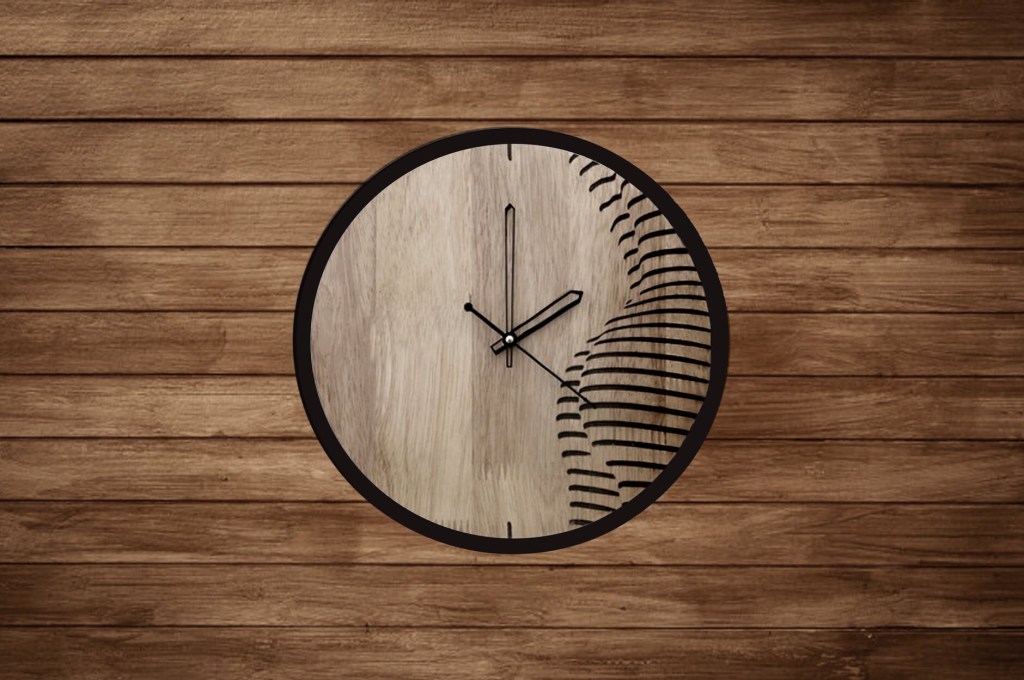

 Time in a Bottle
Wonderful!!
LikeLike